Medical Devices by their very nature must be safe for human use and must meet the requirements for which they have been designed. The process which identifies the risks associated with a medical device that could make the device unsafe or not function as intended is called Risk/Hazard Analysis.
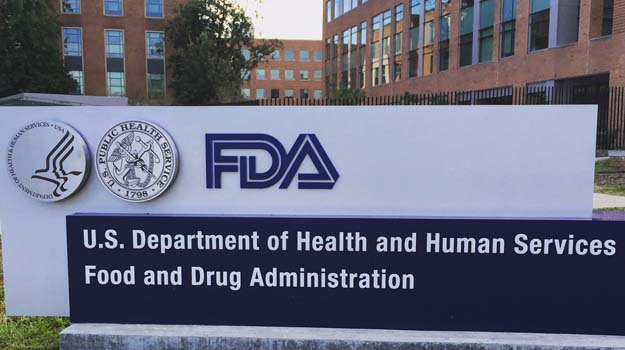
21 CFR Section 820 requires that comprehensive risk analysis be performed as part of the medical device regulatory submissions process and throughout the product’s lifecycle. ISO 14971 is the risk management standard for medical devices. Its purpose is to help manufacturers establish a risk management process that can be used to identify hazards, estimate and evaluate risks, and develop, implement, and monitor the effectiveness of risk control measures. This webinar will discuss both the regulatory requirements and the process for conducting effective Risk/Hazard Analysis.
WHY SHOULD YOU ATTEND?
The secret to preventing medical device recalls or minimizing their impact is sound Risk/Hazard Analysis. Aside from being required, it is absolutely essential and necessary to the development and fielding of medical devices that offer a significant level of protection for patients and manufacturers alike.
The webinar will explore the basic principles of risk management and planning related to medical device design and as required by the FDA. It will present a logical process for risk management from risk identification through evaluation/rating and mitigation.
AREA COVERED
- Why Risk/Hazard Analysis is important
- Risk Assessment Defined
- Regulatory Requirements
- Risk Management Process – The Risk Management Plan
- Risk Management Documentation
- Risk Analysis Processes and Techniques
- Asking the Right Questions
- The Evaluation/Analysis Tools – FTA, FMEA, and FMECA
- Risk Control/Mitigation
LEARNING OBJECTIVES
The tools and techniques of Risk Analysis and the rating process used to evaluate the risks identified will be presented and discussed – Fault Tree Analysis, Failure Mode Effects Analysis, and Failure Mode Effects and Criticality Analysis.
WHO WILL BENEFIT?
- Anyone involved in the manufacturer of medical devices has had some exposure to the subject area and regulated environments.
- American Society for Quality
- Medical Device Manufacturers Association
- European Medical Device Technology
- Gulf Coast Medical Device Manufacturers
- Medical device manufacturers
The secret to preventing medical device recalls or minimizing their impact is sound Risk/Hazard Analysis. Aside from being required, it is absolutely essential and necessary to the development and fielding of medical devices that offer a significant level of protection for patients and manufacturers alike.
The webinar will explore the basic principles of risk management and planning related to medical device design and as required by the FDA. It will present a logical process for risk management from risk identification through evaluation/rating and mitigation.
- Why Risk/Hazard Analysis is important
- Risk Assessment Defined
- Regulatory Requirements
- Risk Management Process – The Risk Management Plan
- Risk Management Documentation
- Risk Analysis Processes and Techniques
- Asking the Right Questions
- The Evaluation/Analysis Tools – FTA, FMEA, and FMECA
- Risk Control/Mitigation
The tools and techniques of Risk Analysis and the rating process used to evaluate the risks identified will be presented and discussed – Fault Tree Analysis, Failure Mode Effects Analysis, and Failure Mode Effects and Criticality Analysis.
- Anyone involved in the manufacturer of medical devices has had some exposure to the subject area and regulated environments.
- American Society for Quality
- Medical Device Manufacturers Association
- European Medical Device Technology
- Gulf Coast Medical Device Manufacturers
- Medical device manufacturers